Sarah Presch
Director of International SEO at Argos Multilingual

And How to Fix Them
International SEO (iSEO) is a term that’s been floating around the language industry for a while. But does that mean that it’s become a full-fledged service comparable to SEO you’d get from a digital marketing agency? I don’t think we’re quite there yet, but there are companies out there giving it a pretty good try. However, it’s left iSEO buyers in limbo — do they need a linguistic service? Or do they need a digital marketing service? The answer to that is both — and we’re going to explore how it’s done by looking at the most common iSEO mistakes I see and how to avoid them in the future.
iSEO mistake #1: Choosing standard translations for online content
Corona has changed how we do business, and companies need to have an online presence to survive. Look at Netflix. They’ve disrupted the entertainment industry, which has seen traditional stores like Blockbuster go out of business because online is what consumers are after.
Anyway, what does this all have to do with your translations? Quite a lot. You see, translating something into another language is great. But what if your potential customers can’t find it? If you can’t be found online, all that effort and money you’ve spent on getting that perfect translation will be for nothing.
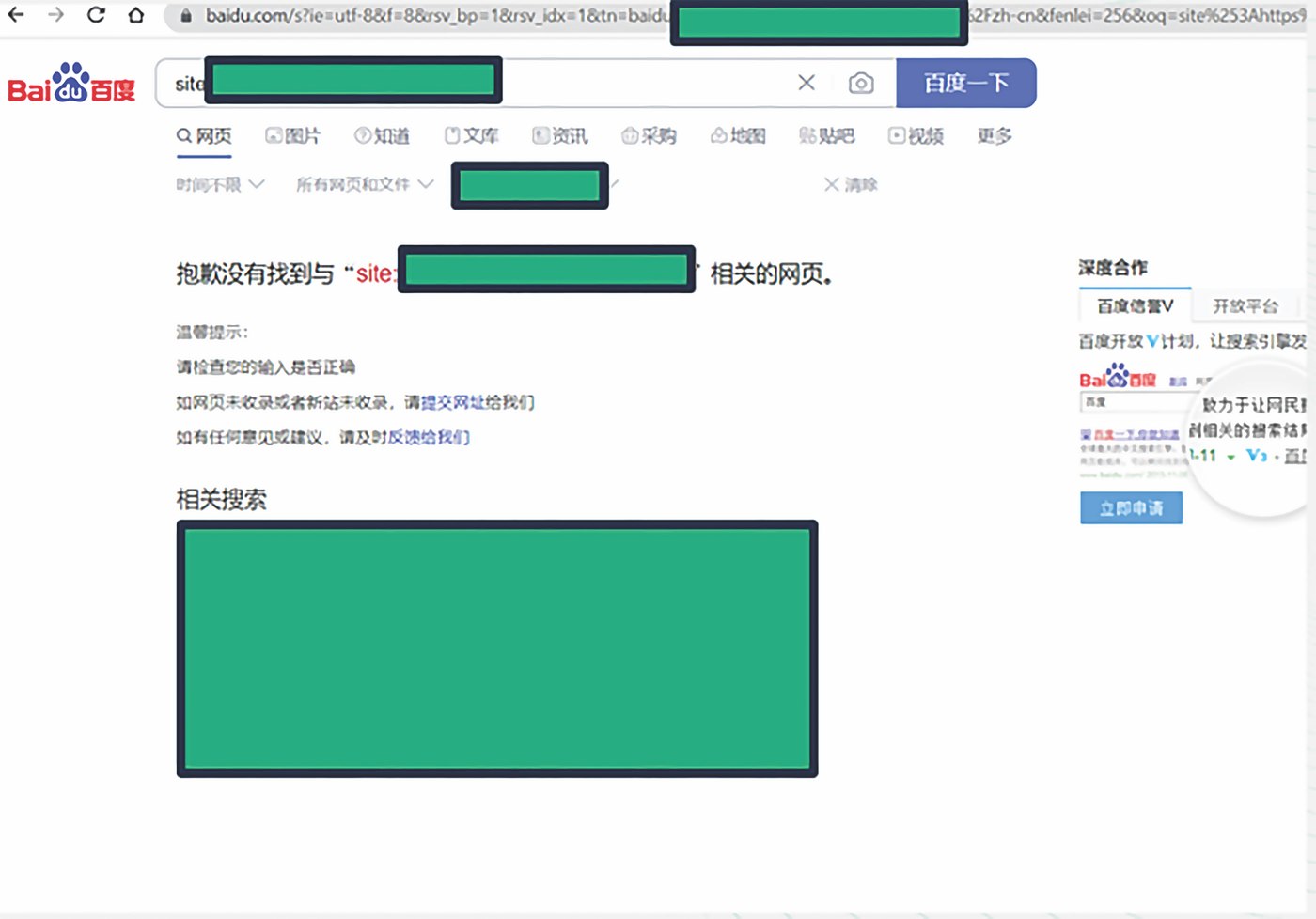
Here’s an example — a company got its website translated into Chinese to increase its sales in China. But because they haven’t SEO’d their website, their website isn’t even indexed on Baidu, which means that they’re not going to be getting any inbound leads any time soon.
So, while you might be worried about budget, incorporating SEO into your translation workflow will cost you less in the long run. You’ll see increased traffic, more leads, and inbound sales, and you won’t have to pay double in the future because you have to go back and re-SEO your website.
iSEO mistake #2: Not thinking of iSEO the minute you start a website re-design
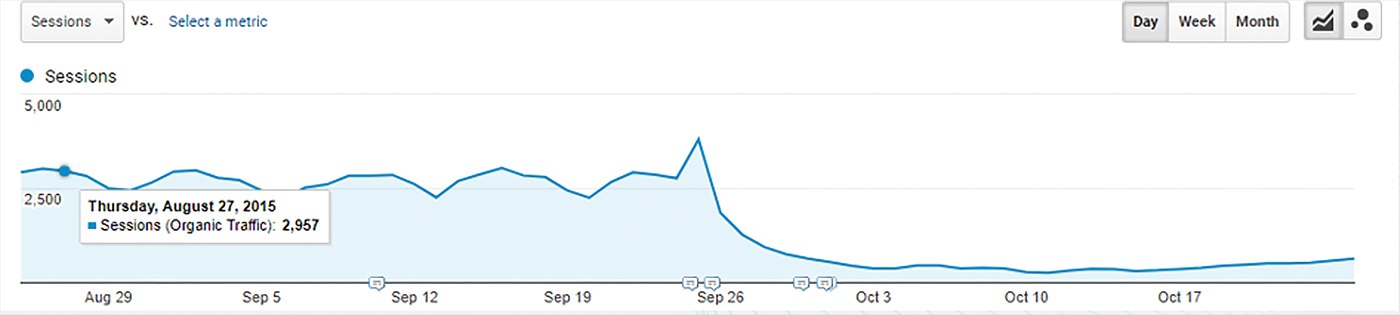
If you’re looking to redesign your website, I can’t stress enough how important it is to start SEO right at the beginning. You need to start with an audit and strategy to ensure you’re not losing the rankings you’ve worked hard to get. Then before you build, you need to plan your site structure and brief writers (and translators) on your SEO strategy, so you’re not paying to have your new content edited to be SEO-friendly. Next, you must ensure that your web dev team knows your SEO goals and plans because, surprisingly enough, SEO doesn’t come with most web design packages — you have to ask for it if you want it. And that also means you have to ensure your new design takes technical SEO best practices into account.
If you don’t, you risk your rankings dropping when you re-launch your new site, like in the chart above.
iSEO mistake #3: Not investing in international strategies
Companies pay thousands to get an SEO strategy created for their home market but rarely do the same for international markets. So, it’s no surprise when I hear, “My English website is performing great, but my international sites are falling way behind.” Therefore, it’s essential to keep the following in mind:
- Not every market uses Google as its main search engine, so you need to consider different ranking factors.
- What works in English doesn’t always work well abroad, which means you’re translating content that won’t work if you’re not doing things separately.
- Different markets equal different opportunities, which you’ll miss out on if you only have one strategy.
- PPC channels are different around the world, too.
- You often go up against local competitors, so you need to research them as well.
If you build all these points into a strategy, it’ll make a world of difference.
iSEO mistake #4: Translating keywords
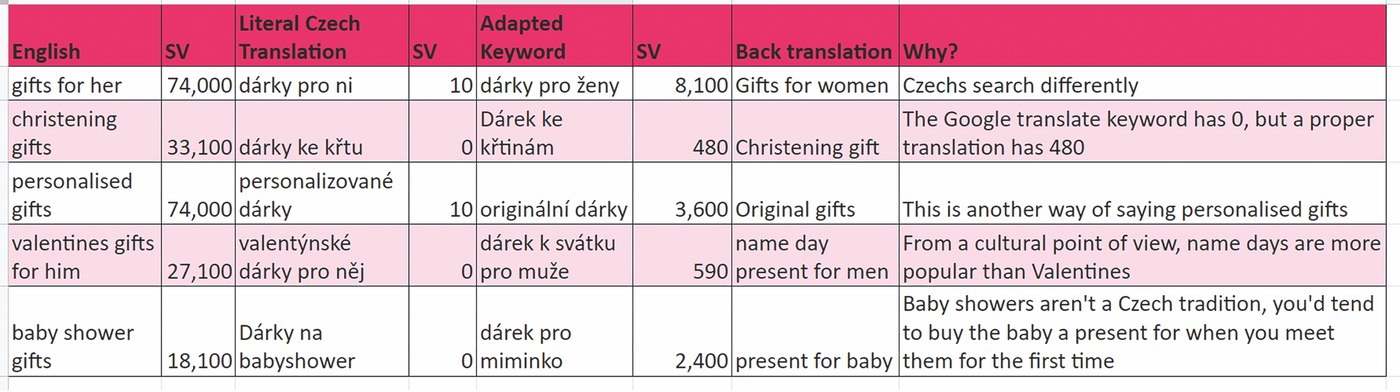
Keyword research is called keyword research for a reason — you need to find what people are searching for, which varies greatly in different markets. This is why it’s important that you do more than just translate your keywords; you research each market separately.
The biggest mistakes I see are people:
- Sticking too closely to the source keywords and not giving themselves scope to explore opportunities specific to a foreign market.
- Forgetting to research using different search engines like Baidu.
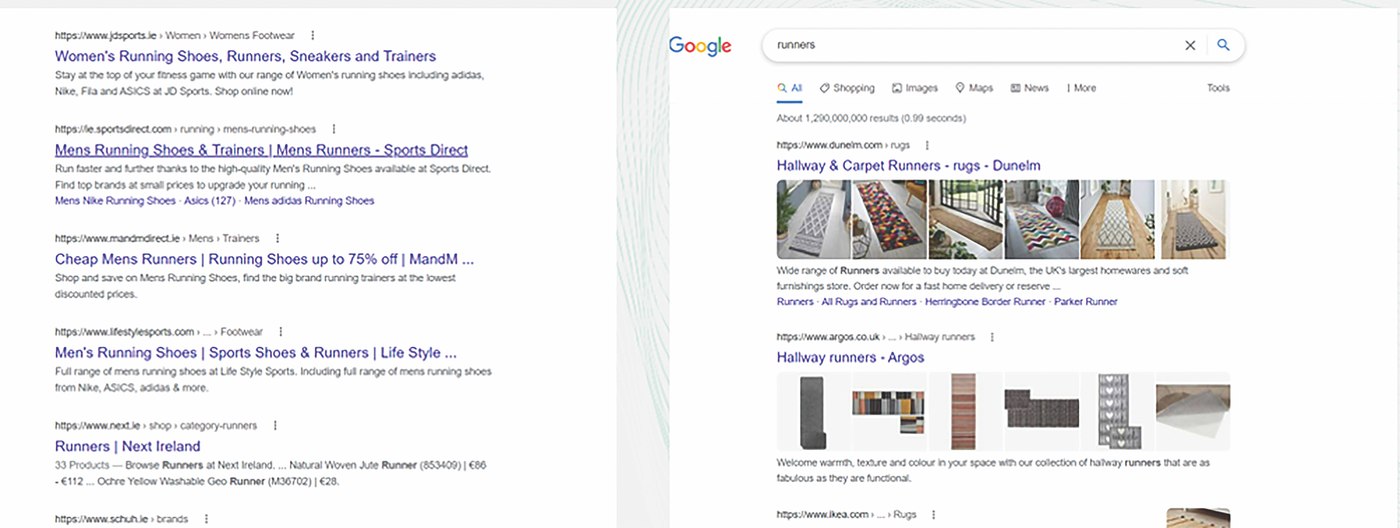
- Not localizing between locales (e.g., EN_UK and EN_IE).
- Using Google Translate to translate keywords and then using a tool like Semrush to see if they have search volume.
iSEO mistake #5: Not asking for help
No matter how big your marketing department is, it’s unlikely you will have an SEO ready to cover every market, and that’s OK! Agencies like ours exist for a reason — to help companies reach their SEO goals without having to invest in having someone in every single market. So, to wrap things up, don’t be afraid to reach out for help because having a partner for all things iSEO can make a massive difference to your results.
—
iSEO checklist
Page 17 of the source issue presents this as a standalone full-page checklist graphic accompanying the article.
Planning
- Which search engine is used in this particular country?
- Does this piece of content work for the market you’re targeting?
- Is it culturally sensitive?
- Does it fit into your SEO strategy for that market?
- Is it inclusive?
Pre-Translation
- Have you researched three suitable keywords (primary, secondary, and tertiary) for this piece of content?
- Are the keywords you’ve chosen unique to this page?
- Have they been added to your keyword map?
- Have you created a brief for linguists/writers on your SEO requirements and aims?
During Translation
- Have you made sure you’re ordering a creative service like transcreation or native content creation?
- Has the researched keyword been provided to your localization team?
- Are you allowing your localization team to step outside of a CAT translation environment to ensure they can be as creative as possible?
- Is the translation following on-page best practices?
- Meta title must include the primary keyword and be between 45 and 60 characters long (half for Asian languages)
- Meta description should include a keyword and be between 145 and 160 characters long (half for Asian languages)
- URL contains the primary keyword (for Cyrillic languages, the keyword should be the target keyword written in the Latin alphabet; for Asian languages, URLs are normally left in English)
- Pictures contain alt text which also includes the primary keyword
- There is only one ‘Header 1’ that contains the main keyword
- The page title is different from the header one and the meta title
- The text is broken up by headers
- About half of these headers contain keywords
- The keywords have been distributed evenly throughout the text
- There’s no keyword stuffing (you can read your text aloud, and if the keywords sound robotic, then you’ve added too many)
Post Translation
- Has the content been uploaded following the best practices above?
- Are you using hreflang tags on your website? (Remember – languages like Brazilian Portuguese need to be pt-BR, not just pt).
- Are you tracking the success of your content?
- Has the page been indexed?


-
Why Localization is a Growth Lever Especially In 2023
A downturn can be the right moment to start localizing: less competition, cheaper assets, and wider access to global talent.
-
How Product-Led Localization Helps 10X Product Adoption Internationally
Product-led growth companies expand internationally by localizing the user experience and acquisition path, not just the core product interface.
-
How Pinterest Embraces the Change for its 400 Million+ Users
Pinterest separates a universal global message from locally recreated content, treating inclusion and accessibility as prerequisites, not afterthoughts.