

Libor Safar
VP of Growth at Argos Multilingual

Localization can build a competitive moat, in good times as well as bad
What do tech companies such as Pinterest, Slack, Figma, Canva, Notion, Loom, Miro or Spotify have in common? Turns out, quite a bit. But one key aspect is that their massive growth over the past several years — including internationally — has been fueled by their adoption of the product-led growth (PLG) strategy.
PLG has been around for some time and is fairly well-known. But its international aspect, and how localization can be intelligently applied to support specific PLG tactics to drive rapid global growth, less so. And yet this is perhaps one secret sauce that helps some companies succeed where others don’t.
How it works
Product-led growth (PLG) strategies use the actual product as the main driver for acquiring, activating, retaining, and expanding customers. Instead of spending primarily on marketing or sales, the focus is on product adoption by users themselves, via free trials or freemium tiers with a limited set of features.
The interim goal is to acquire active customers, who can start for free, and then convert them to paying customers, so they can help spread the product within their organizations, or families, further. This approach bypasses the traditional corporate buyers, such as IT or procurement.
Localizing the PLG approach
Even with PLG, the simple mantra “localize your product and they shall come” doesn’t work so easily. In fact, localizing the core product is frequently not even the main priority. That is because using a product in the original English might not be a user preference but is often not a hard obstacle, at least initially.
Instead, international PLG is built on localizing user experience (UX) and the locale-specific tactics related to moving customers through these usual high-level customer acquisition phases.
1. Product awareness
Regardless of whether your product is localized or not, users will tend to search in their own language. This is where local organic product content and international SEO become prominent (see the excellent article by Sarah Presch elsewhere in this issue). International technical SEO should not be underestimated either.
Community is another major source of traffic. Local communities of users help to massively increase the reach and augment your own SEO tactics to achieve a much wider product awareness. Make space on your site for local references and success stories that will be immediately recognizable in specific locales. Locally respected names can work as brand ambassadors to represent and promote your brand in-market. “Local FOMO,” related to peers, is way more powerful than a more general and abstract FOMO.
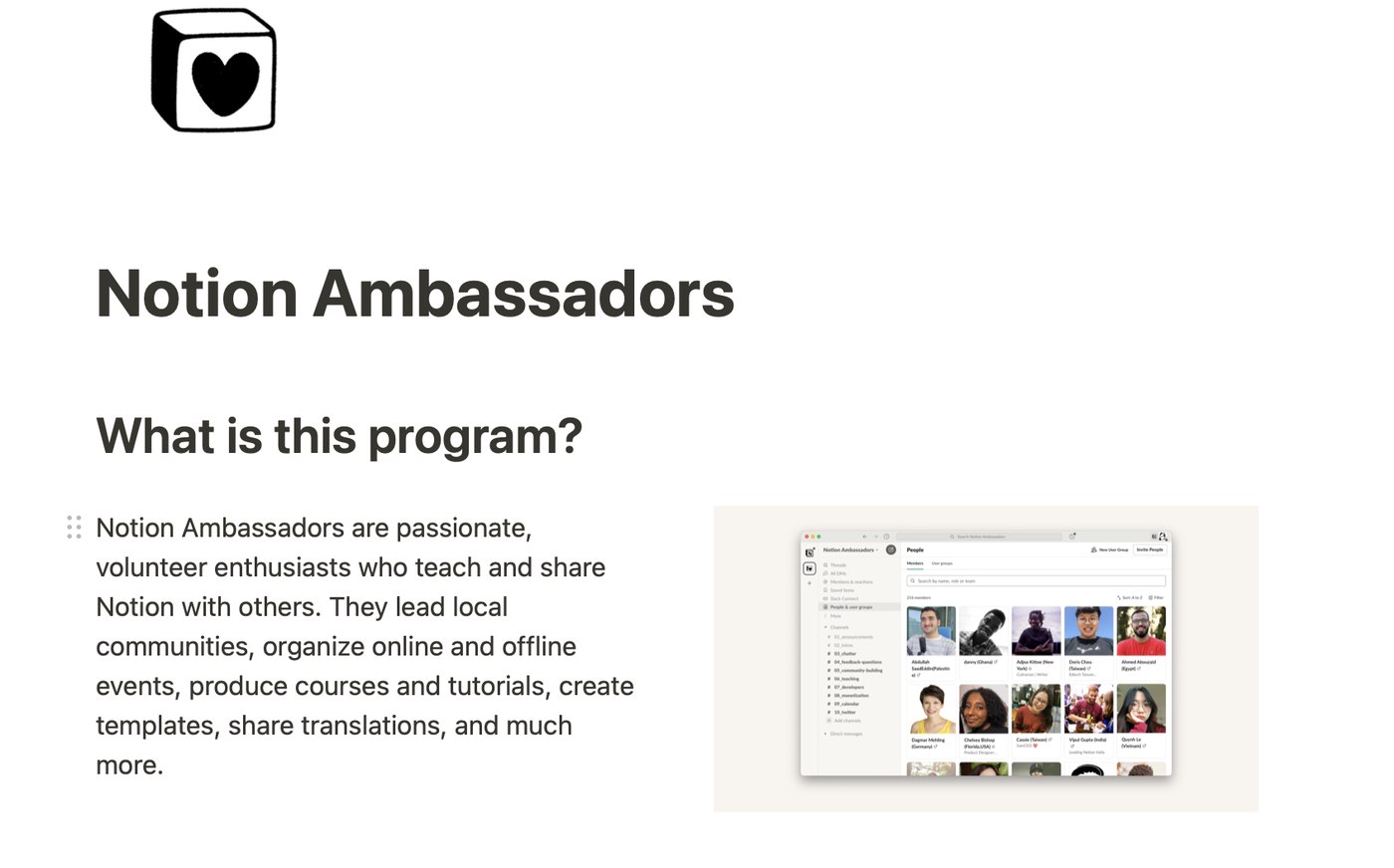
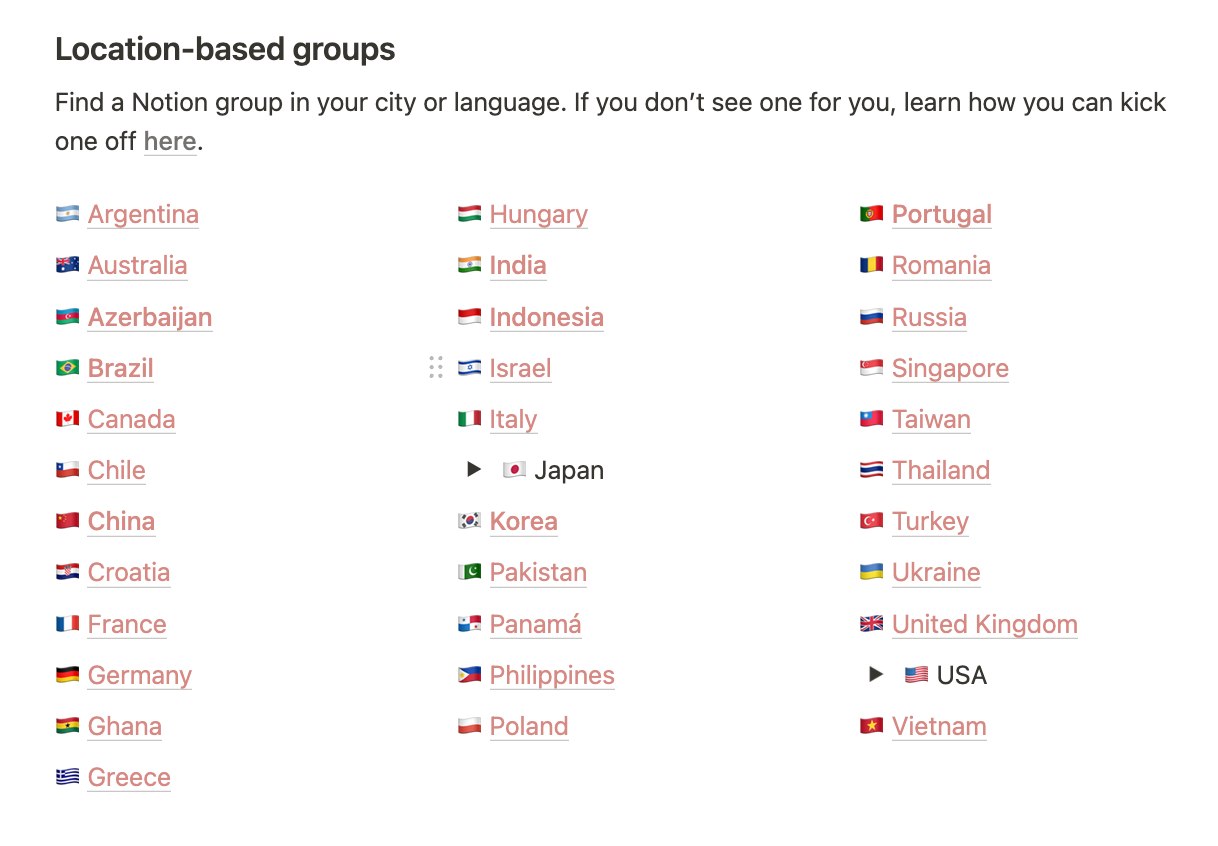
Notion (www.notion.so) is an example of a company that does this really well. The actual product may be currently available in only a few languages, but there are Notion communities in over 30 countries, and growing.
Local social media presence is equally important, but it takes years to grow an audience in each individual market. Instead, build on your existing global social media following and branch off to communicate specifically with your local audiences. You can post on your global social media accounts in local languages specifically only to followers that have a given language as their default, or who are based in selected markets.
2. User acquisition and activation
Acquiring users by encouraging them to “convert” and sign up to one of the product levels available is one thing. Encouraging active use and “deployment” is another one.
Optimizing for these conversions goes beyond providing localized website content and covers redesigning the site so that it caters for the specifics of local users where needed. This includes offering a range of communications or support options specific to each locale – online, email, local phone, live chat or a chatbot available in a given language, locally preferred currency and payment options, and common cancellation policies.
For instance, users in some locales may be hesitant to provide their full personal details when signing up initially for a free product. Some may not want to provide their credit card details before this is really needed. So careful optimization of the conversion path for users outside the home market can work wonders. But it does require constant tweaking.
App-store optimization (ASO) and local language support here is one frequently underutilized tactic, as are user reviews. Monitor reviews regardless of their language and respond in the native language of users. You will amplify positive experiences and increase downloads and conversions. This also helps to pick up any negative experience users in specific countries may have and use these to improve the product.
3. Retention and monetization
The key to turning users into paying customers is for them to experience the real value of your product. And to see the benefit before they are asked to pull out their wallet. Localized product experience is what will help drive conversion to paid customers. To realize the real product value, the product should support local use cases where these differ from the core usage.
For instance, providing locale-specific templates is essential. International design templates from Canva are one good example. Those provided by Notion another. Such templates accelerate product adoption, so users don’t have to build things from scratch, and help increase its stickiness.

4. Customer expansion
Done right, all of the above will help drive expanded product usage, encourage more users to sign up (as free or paid customers) and, ideally, go on to promote the product further. Community and encouraging referrals, including outside their organization, are key in this respect.
One valuable tactic that companies continue exploring is getting in-country inputs about their products. This helps them understand the specific local needs and usage behaviors, which can then be used to build a truly localized experience.
From go-to-market to go-to-global-market
If wide product adoption is the goal, then “going global” is the easiest path to ensuring this. And for many companies, it’s global or nothing. Any go-to-market (GTM) strategy is actually a go-to-global-market strategy these days. Maybe localization should be best placed as part of the wider growth team. It’s a major growth enabler, in good times as well as bad, and product-led localization is the way forward for many businesses.





-
Tech Innovations to Keep an Eye on: AI TM Cleanup and AI Backtranslation
AI TM cleanup and AI back translation apply semantic analysis to language assets, cutting review time while improving translation quality.
-
Why Localization is a Growth Lever Especially In 2023
A downturn can be the right moment to start localizing: less competition, cheaper assets, and wider access to global talent.
-
How Pinterest Embraces the Change for its 400 Million+ Users
Pinterest separates a universal global message from locally recreated content, treating inclusion and accessibility as prerequisites, not afterthoughts.